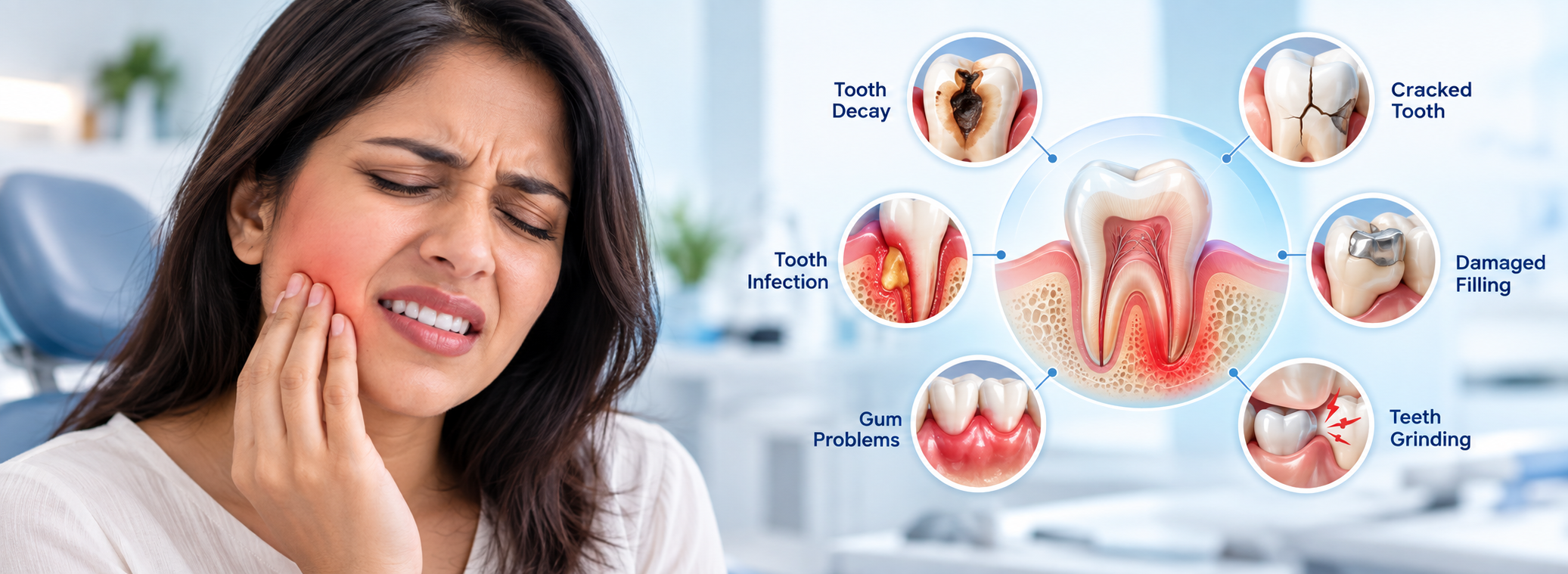

Tooth sensitivity is a common dental issue that affects many individuals, causing discomfort when consuming hot, cold, or sweet foods and drinks. If you’re experiencing sharp, fleeting pain in your teeth, you’re not alone. This condition can range from mild to severe and can be caused by a variety of factors. At Novacare Dental in Kothrud, Pune, led by Dr. Sahil Trimabke (M.D.S. Oral Surgeon and Implantologist) and Dr. Vaishnavi Trimabke (B.D.S. Dental Surgeon and Cosmetic Dentist) is the best dentist
in Pune, we believe that understanding the causes of tooth sensitivity and how to manage it is crucial for maintaining a healthy and pain-free smile.
What Causes Tooth Sensitivity?
Tooth sensitivity occurs when the underlying layer of your teeth, called the dentin, becomes exposed. The dentin is normally covered by tooth enamel, but when the enamel wears down or recedes, the dentin is left vulnerable. This can result in sharp pain when eating or drinking certain foods and beverages.
Here are some common causes of tooth sensitivity:
1. Enamel Erosion
Tooth enamel is the hard outer layer that protects your teeth. Over time, this enamel can wear away due to various reasons, including acidic foods, aggressive brushing, and tooth grinding. When enamel erodes, it exposes the dentin underneath, leading to heightened sensitivity.
2. Gum Recession
The gums naturally recede with age or as a result of gum disease. When the gum tissue pulls away from the tooth, the tooth roots become exposed, which can cause pain and sensitivity. This is especially true when the roots are exposed to hot, cold, or sweet substances.
3. Tooth Decay
Cavities or decay can lead to tooth sensitivity. As the decay progresses and affects the inner structures of the tooth, it can make the tooth more sensitive to stimuli.
4. Cracked or Fractured Teeth
A crack in your tooth can expose the dentin, causing discomfort. Even if the crack is small, it can still lead to sensitivity when you chew food or drink cold beverages.
5. Teeth Whitening Products
While teeth whitening products can give you a brighter smile, they may also increase tooth sensitivity, especially if they contain strong chemicals that affect the enamel.
6. Bruxism (Teeth Grinding)
People who grind their teeth, especially at night, are more likely to experience enamel wear, which can expose the sensitive parts of their teeth. This can lead to chronic tooth sensitivity.
How to Manage Tooth Sensitivity?
Managing tooth sensitivity involves a combination of good oral hygiene practices, lifestyle changes, and professional dental care.
Here are some effective tips for managing tooth sensitivity:
1. Use Desensitizing Toothpaste
One of the simplest ways to manage tooth sensitivity is by using desensitizing toothpaste. These toothpastes contain compounds that block the nerve signals in the dentin, helping to alleviate pain.
2. Avoid Acidic Foods and Beverages
Acidic foods like citrus fruits, tomatoes, and sodas can erode the enamel over time, leading to increased tooth sensitivity. Limiting your intake of these foods and beverages can help protect your enamel.
3. Brush Gently
Brushing your teeth too hard can wear down the enamel and irritate the gums. Use a soft-bristled toothbrush and gentle brushing techniques to protect your teeth from further sensitivity.
4. Wear a Mouthguard
If you grind your teeth at night, consider wearing a mouthguard. A dentist can fit you with a custom mouthguard that will protect your teeth from the pressure caused by grinding and reduce enamel wear.
5. Regular Dental Check-ups
Routine visits to the dentist are essential in preventing and managing tooth sensitivity. At Novacare Dental, Dr. Sahil and Dr. Vaishnavi Trimabke offer comprehensive dental exams to identify any issues causing tooth sensitivity and provide appropriate treatment.
6. Gum Care
If gum recession is contributing to your sensitivity, Dr. Sahil and Dr. Vaishnavi may recommend treatments like gum grafting to protect the exposed tooth roots and reduce sensitivity.
Why Choose Novacare Dental in Kothrud, Pune?
If you’re dealing with tooth sensitivity, seeking the right professional care is crucial.
At Novacare Dental Clinic in Kothrud, Pune, Dr. Sahil Trimabke (M.D.S. Oral Surgeon and Implantologist) and Dr. Vaishnavi Trimabke (B.D.S. Dental Surgeon and Cosmetic Dentist) specialize in diagnosing and treating tooth sensitivity. Their compassionate and expert approach ensures that you receive the best possible care to alleviate discomfort and improve your oral health.
Here are some reasons why Novacare Dental is the go-to dental clinic in Kothrud:
- Comprehensive Treatment: From diagnosing the root cause of your tooth sensitivity to offering tailored treatments, we provide comprehensive care for your teeth.
- Experienced Dentists: Dr. Sahil Trimabke and Dr. Vaishnavi Trimabke have extensive experience in treating sensitive teeth and other dental issues.
- Advanced Technology: We use state-of-the-art dental technology to diagnose and treat sensitive teeth effectively.
- Patient-Centered Care: We prioritize your comfort and work closely with you to develop a personalized treatment plan that suits your needs.
Frequently Asked Questions About Tooth Sensitivity
1. What causes tooth sensitivity?
Tooth sensitivity usually occurs when the protective enamel wears down or the gums recede, exposing the underlying dentin. Common causes include enamel erosion, gum recession, tooth decay, cracked teeth, teeth grinding, and frequent use of teeth-whitening products.
2. Why do my teeth hurt when I eat or drink something cold?
Cold foods and drinks can stimulate the nerves inside a tooth when the dentin or tooth root is exposed. This can cause a sudden, sharp pain that usually lasts for a short time.
3. Can tooth sensitivity be a sign of a cavity?
Yes. Tooth sensitivity can sometimes be caused by tooth decay or a cavity. If sensitivity is persistent, affects only one tooth, or is accompanied by pain, it is important to have the tooth examined by a dentist.
4. How can I reduce tooth sensitivity at home?
You can help reduce sensitivity by using desensitizing toothpaste, brushing gently with a soft-bristled toothbrush, limiting acidic foods and beverages, and maintaining good oral hygiene. However, persistent sensitivity should be evaluated by a dentist to identify the underlying cause.
5. Is sensitive toothpaste effective?
Yes. Desensitizing toothpaste can help reduce tooth sensitivity when used regularly. It contains ingredients that help block the pathways through the dentin that transmit sensations to the tooth nerve. Your dentist can recommend a suitable toothpaste based on your condition.
6. Can brushing too hard cause sensitive teeth?
Yes. Brushing with excessive force or using a hard-bristled toothbrush can contribute to enamel wear and gum recession, potentially exposing sensitive areas of the teeth. Gentle brushing with a soft-bristled toothbrush is recommended.
7. Can teeth whitening cause sensitivity?
Yes. Some teeth-whitening treatments can temporarily increase tooth sensitivity. This usually improves after the treatment is stopped or completed. If you already have sensitive teeth, discuss your options with your dentist before undergoing whitening treatment.
8. Does tooth sensitivity go away on its own?
Mild, temporary sensitivity may improve after the underlying irritation is removed. However, sensitivity caused by cavities, cracked teeth, gum recession, enamel damage, or other dental problems may require professional treatment. Persistent or worsening sensitivity should not be ignored.
9. Can teeth grinding cause sensitivity?
Yes. Teeth grinding, also called bruxism, can gradually wear down the enamel and expose more sensitive areas of the teeth. A dentist may recommend a custom mouthguard to protect the teeth, particularly if grinding occurs during sleep.
10. When should I see a dentist for tooth sensitivity?
You should consult a dentist if sensitivity is severe, persistent, getting worse, occurs in one particular tooth, or is associated with swelling, spontaneous pain, pain while biting, or other dental symptoms. Early evaluation can help identify and treat the underlying problem.
11. How is tooth sensitivity treated by a dentist?
Treatment depends on the cause. Depending on the condition, a dentist may recommend desensitizing treatments, fluoride applications, dental fillings, treatment for gum recession, a mouthguard for teeth grinding, or other restorative procedures.
12. Can tooth sensitivity be prevented?
Good oral hygiene, gentle brushing, regular dental check-ups, limiting acidic foods and drinks, avoiding excessive whitening treatments, and addressing teeth grinding can help reduce the risk of tooth sensitivity.
Contact Novacare Dental Today!
If you’re struggling with tooth sensitivity, don’t wait—book an appointment with Novacare Dental today and let our experts help you manage your symptoms.
You can reach us at the following numbers:
Call Now:
+91 86240 36966 / +91 99704 43091
Address:
Shop no A/04, Damodar Villa Apts, Karve Rd, opp. Kothrud Bus Stand Road, Near Venus Traders Kothrud, Pune, Maharashtra 411038