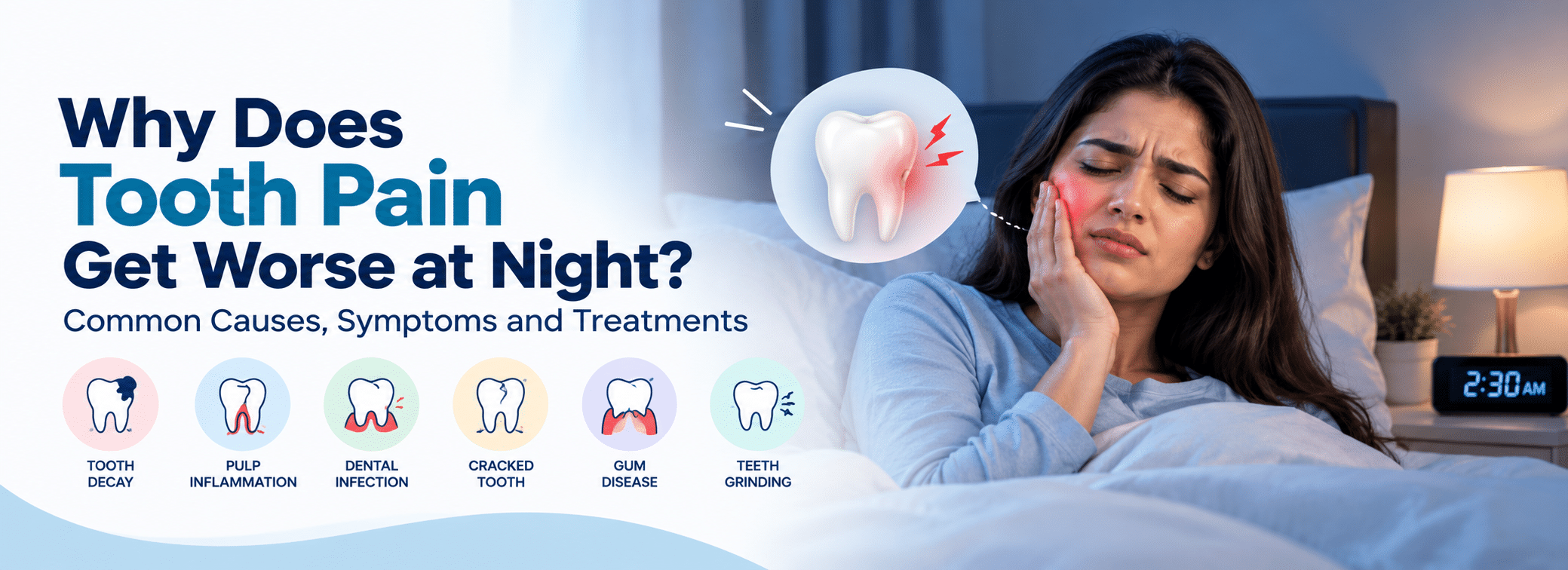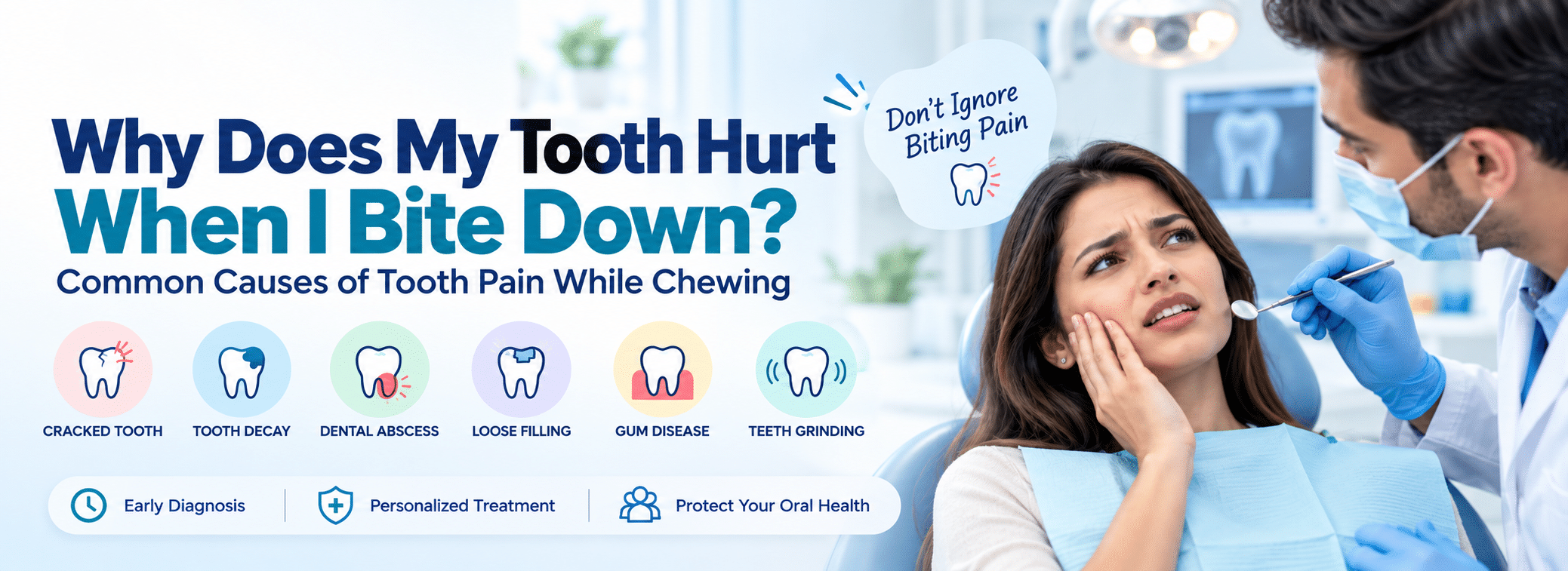
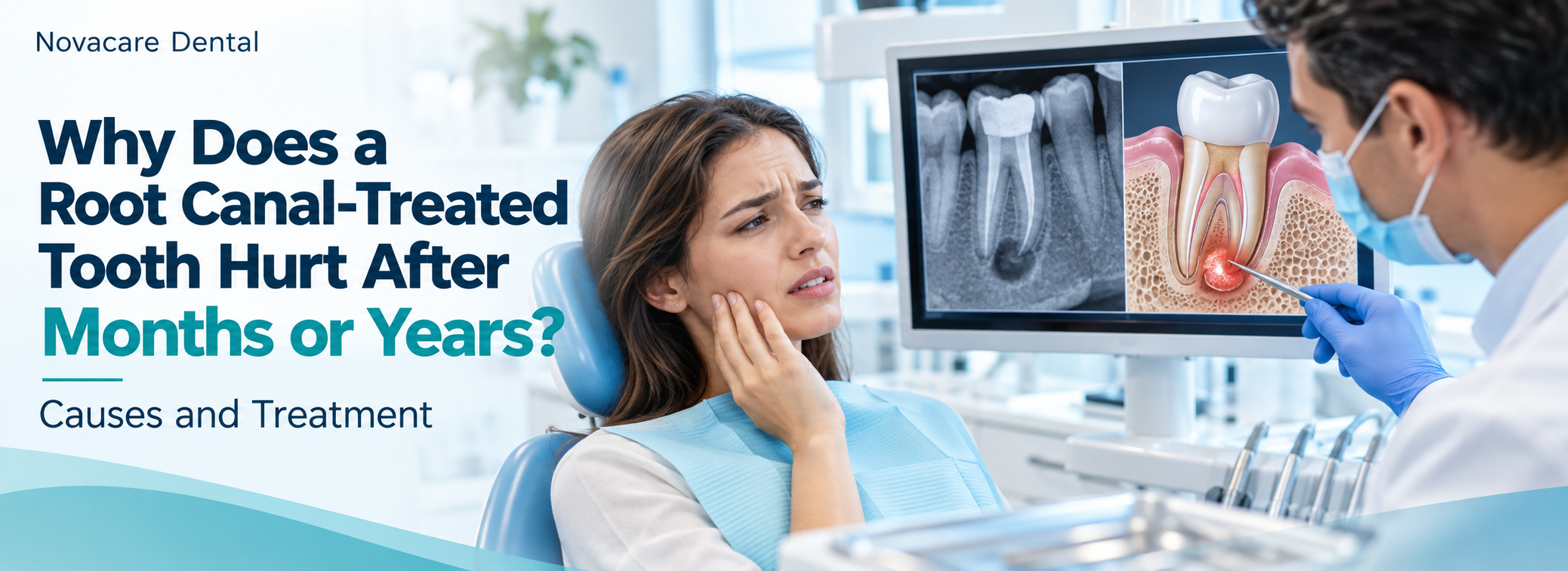
Root canal treatment is designed to remove infected or inflamed pulp tissue, relieve discomfort and preserve a natural tooth. However, some patients notice that a previously treated tooth becomes painful again after months or even years of being completely comfortable.
Root canal tooth pain years later can develop for several reasons, including recurrent infection, untreated root canals, damaged crowns, cracks or inflammation in the surrounding tissues. In some cases, the discomfort may come from a neighbouring tooth rather than the tooth that originally underwent treatment.
Although this situation can be worrying, it does not automatically mean the original procedure failed or that the affected tooth must be removed.
Understanding the possible causes, recognizing warning signs and seeking an appropriate dental examination can help determine the next steps.
This guide explains why an old root canal-treated tooth may become painful, how dentists identify the cause and which treatment options may help preserve the natural tooth.
Quick Answer: Why Does a Root Canal-Treated Tooth Hurt Years Later?
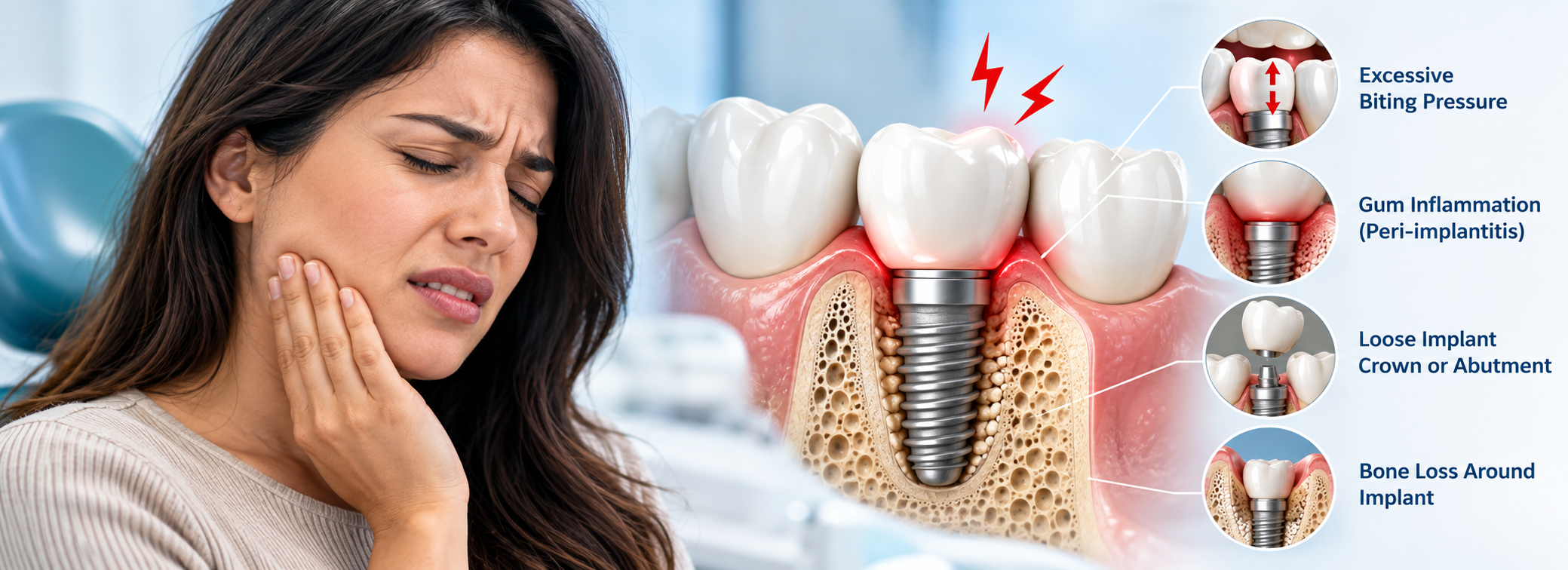
A tooth that received root canal treatment may become painful again because of persistent or recurrent infection, a missed canal, leakage beneath a crown or filling, tooth fractures, gum disease or excessive biting pressure.
Although the pulp inside the treated canals has been removed, the surrounding gums, bone and periodontal ligament remain sensitive to inflammation and pressure.
The most important step is identifying the actual source of pain through a professional dental examination. Depending on the diagnosis, treatment may involve replacing a restoration, root canal retreatment, periodontal care or another procedure.
Why Can a Root Canal-Treated Tooth Still Feel Pain?
During a root canal procedure, the dentist removes damaged or infected pulp from the internal canals of the tooth. The canals are then cleaned, disinfected, shaped and sealed with suitable filling material.
This procedure removes the internal pulp tissue responsible for many types of toothache. However, the treated tooth continues to be supported by living tissues.
These include the periodontal ligament connecting the root to the surrounding bone, the gum tissues and the bone around the root tip.
All these structures contain nerves capable of detecting pressure, inflammation and injury.
Therefore, even after successful endodontic treatment, discomfort may arise if the supporting tissues become inflamed or infected.
A previously treated tooth can also develop new structural problems, particularly if its crown or filling becomes damaged over time.
The American Association of Endodontists explains how root canal treatment helps preserve natural teeth and why proper restoration and follow-up care are important.
American Association of Endodontists
+1
Common Causes of Root Canal Tooth Pain Years Later
Several conditions may explain why a tooth that was previously comfortable begins hurting again. The cause can range from a relatively straightforward bite problem to an infection requiring additional endodontic treatment.
1. Persistent or Recurrent Infection Around the Root
One possible cause is infection involving the tissues surrounding the root tip.
Bacteria may remain in complex portions of the canal system after the initial procedure or enter the tooth again through damaged restorations or new decay.
When bacteria irritate the surrounding tissues, an inflammatory condition known as apical periodontitis can develop.
This may occur shortly after treatment or become noticeable much later.
Common symptoms include:
- Pain when chewing or applying pressure
- Tenderness around the affected tooth
- Swelling of nearby gum tissues
- A recurring pimple-like bump on the gum
- Intermittent discomfort or persistent aching
However, inflammation around a root may sometimes be present without noticeable pain.
A dentist may examine the tooth and recommend dental imaging to determine whether an infection is present.
Depending on the findings, options may include nonsurgical retreatment, endodontic surgery or another appropriate procedure.
2. Missed or Untreated Root Canal
Teeth do not always have simple internal anatomy.
Some have narrow, curved or additional canals that may be difficult to identify during treatment.
Molars in particular may contain complex canal systems.
If an additional canal was not located or adequately treated during the original procedure, bacteria may remain in that area.
Over time, the infection or inflammation may continue and eventually cause symptoms.
An endodontist may use magnification, clinical testing and appropriate imaging to evaluate unusual canal anatomy.
When retreatment is feasible, the existing filling material can be removed, untreated areas addressed and the canals disinfected and sealed again.
3. Leakage Beneath a Crown or Filling
The final dental restoration plays an important role in protecting a root canal-treated tooth.
After treatment, a filling or crown is typically used to seal the tooth and restore its function.
If the restoration loosens, fractures or develops defective margins, bacteria and saliva may enter areas that were previously sealed.
This can allow new contamination of the canal system.
Common reasons for restoration failure include everyday wear, dental decay, accidental trauma and damage from excessive chewing forces.
Patients may notice discomfort while biting, food getting trapped around the restoration or a crown that feels loose.
The dentist will assess whether the restoration alone needs replacement or whether additional root canal treatment is necessary.
4. New Dental Decay
A tooth does not become immune to cavities after receiving root canal treatment.
Although the pulp inside the treated canals has been removed, the remaining enamel and dentin can still develop decay.
Cavities may form around the edges of an existing crown or filling, particularly where plaque accumulates.
As decay progresses, it may compromise the tooth structure and the seal protecting the root canals.
In some cases, a new filling or crown may be sufficient. More extensive problems may require retreatment or another restorative procedure.
Regular examinations and good oral hygiene can help identify new cavities before significant damage occurs.
5. Cracked Tooth or Vertical Root Fracture
Structural damage is another important possibility when an old root canal tooth becomes painful.
A treated tooth may have lost considerable structure because of previous decay, large fillings or earlier dental procedures.
Additional stress from chewing, trauma or grinding can contribute to cracks.
Different types of cracks have different treatment implications.
A fracture involving the visible crown may sometimes be managed with restorative treatment.
However, a vertical root fracture extending along the root can be more difficult to treat because bacteria may enter the surrounding tissues.
Symptoms may include discomfort when biting, localized swelling or a narrow, deep gum pocket.
Some fractures may not be clearly visible on standard dental X-rays.
Treatment depends on the fracture’s location, extent and whether enough healthy tooth structure remains.
6. Gum Disease Around the Treated Tooth
Not every painful root canal-treated tooth has an endodontic problem.
Sometimes the discomfort originates from the gums or supporting bone.
Periodontal disease can cause inflammation, gum recession, deep pockets and loss of supporting bone.
If the tissues around a previously treated tooth become inflamed, the patient may experience tenderness or discomfort while chewing.
Advanced periodontal disease may also lead to a localized abscess.
The dentist may assess gum pocket depths, mobility and the surrounding bone to determine whether the problem is periodontal.
Treatment may involve professional cleaning, scaling and root planing or other periodontal procedures according to the condition’s severity.
7. Excessive Biting Pressure or Teeth Grinding
A tooth may become painful even when there is no recurrent root canal infection.
For example, a crown that contacts the opposing teeth too heavily can place additional pressure on the periodontal ligament.
Repeated grinding or clenching, also called bruxism, may produce similar stress.
This discomfort is often more noticeable when biting down or chewing firm foods.
Some patients also experience jaw tightness, morning soreness or signs of tooth wear.
The dentist can evaluate the bite and determine whether an adjustment is needed.
Where appropriate, a custom night guard may help manage forces associated with teeth grinding.
8. Pain Originating From a Neighbouring Tooth
Dental pain can sometimes be difficult to localize.
A patient may believe that the discomfort is coming from a tooth that underwent root canal treatment several years ago.
However, the source may be a nearby tooth with an untreated cavity, a crack or inflamed pulp tissue.
Referred pain may make the affected area feel different from the actual source.
For this reason, dentists should assess neighbouring teeth rather than assuming that the previously treated tooth is responsible.
Temperature testing, clinical examination and dental imaging may help identify the correct tooth before irreversible treatment is considered.
Symptoms of Root Canal Tooth Pain Years Later
Symptoms can vary depending on the underlying cause.
Some patients experience mild discomfort only while chewing, while others develop persistent aching, localized swelling or a recurring gum infection.
The following table outlines possible warning signs.
| Symptom | Possible Cause |
|---|---|
| Pain when biting or chewing | Inflammation around the root, cracks or excessive biting pressure |
| Throbbing pain with swelling | Possible infection or dental abscess |
| Pimple-like bump on the gum | Possible draining infection |
| Pain beneath an old crown | Crown leakage, decay or bite-related problems |
| Tenderness around the gum | Periodontal inflammation or localized infection |
| Intermittent discomfort | Cracked tooth, referred pain or another dental condition |
| Pain after a crown becomes loose | Compromised restoration or bacterial leakage |
| New sensitivity to cold | Often a neighbouring vital tooth or exposed sensitive tissue |
These signs do not establish a diagnosis on their own.
Different dental conditions can produce similar symptoms, which is why a clinical examination is essential.
Does Pain Mean the Original Root Canal Treatment Has Failed?
Not necessarily.
Discomfort does not automatically indicate that the initial root canal procedure was unsuccessful.
A tooth may develop an entirely new problem long after treatment, such as crown damage, periodontal disease or excessive biting pressure.
Similarly, symptoms may arise from an adjacent tooth rather than the previously treated one.
On the other hand, an infection around the root may sometimes develop without substantial pain.
Therefore, the presence or absence of discomfort alone cannot determine treatment success.
A proper diagnosis considers the patient’s symptoms, treatment history, clinical findings and imaging results.
The American Association of Endodontists notes that previously treated teeth may develop problems months or years later, and some can be preserved through additional treatment. Read its guidance on endodontic retreatment.
American Association of Endodontists
How Does a Dentist Diagnose Pain in an Old Root Canal Tooth?
Determining the cause usually involves several examinations rather than relying on one symptom.
1. Clinical Examination
The dentist examines the affected tooth, existing restoration, gums and surrounding teeth.
Visible cracks, dental decay, loose crowns and swelling may provide useful diagnostic information.
2. Percussion and Bite Tests
Gentle tapping and controlled biting tests can help identify tenderness in the periodontal ligament.
These tests may also provide clues about excessive biting forces or possible cracks.
3. Dental X-Rays
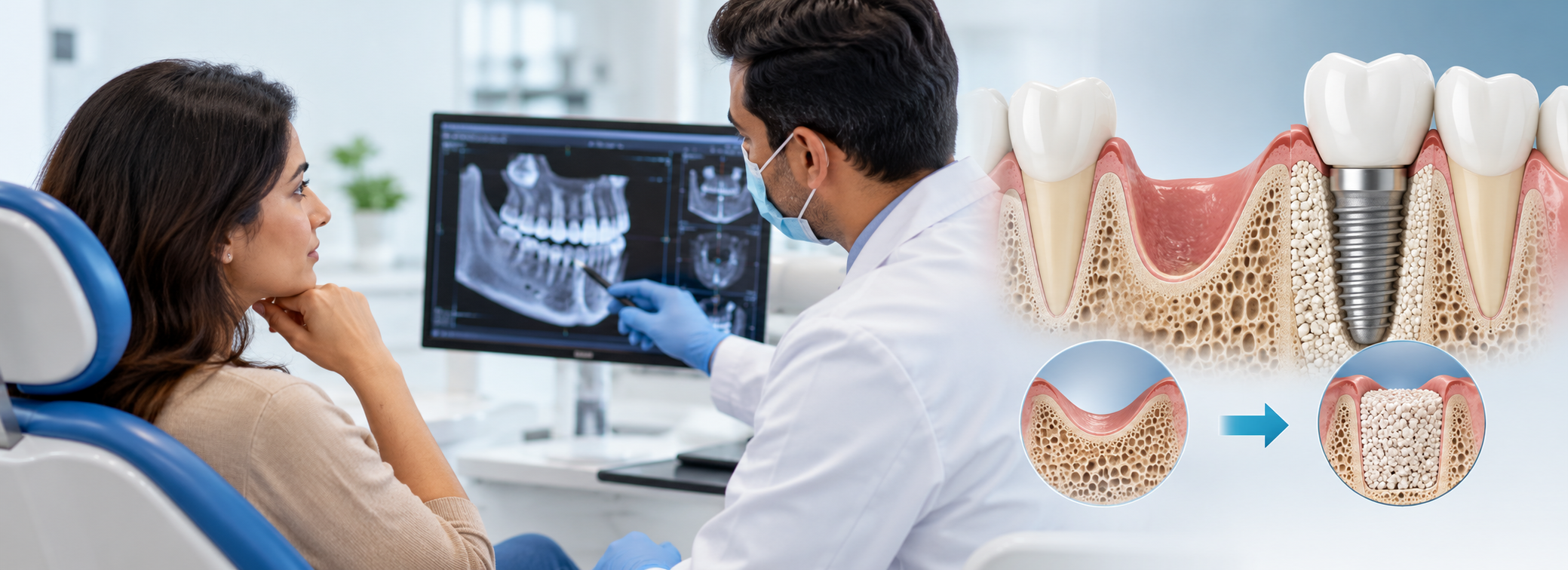
Periapical radiographs allow dentists to assess the roots and surrounding bone.
They may reveal changes around the root tip, recurrent decay or other abnormalities.
However, not every problem is visible on a standard X-ray.
4. CBCT Imaging When Indicated
Cone-beam computed tomography provides three-dimensional dental imaging.
It may be useful in selected cases involving complex root anatomy, persistent periapical disease or suspected fractures.
However, CBCT cannot reliably identify every tooth crack, especially when existing root canal filling materials affect image interpretation.
The decision to use CBCT should depend on whether the additional information is likely to help diagnosis or treatment planning.
5. Gum and Adjacent Tooth Assessment
Periodontal probing, mobility assessment and examination of neighbouring teeth help distinguish root canal-related conditions from gum disease and other dental problems.
The dentist combines these findings to recommend the most appropriate treatment.
Can a Root Canal-Treated Tooth Be Saved Again?
In many cases, additional treatment may help preserve a previously treated tooth.
The decision depends on the underlying problem, remaining healthy tooth structure, periodontal support and long-term prognosis.
Option 1: Root Canal Retreatment
Retreatment may be considered when infection persists, an untreated canal is identified or bacterial contamination develops after the original procedure.
The dentist or endodontist typically follows several steps:
- Accesses the previously treated root canals.
- Removes existing root canal filling material.
- Examines the canal system for untreated anatomy or other problems.
- Cleans, shapes and disinfects the canals.
- Refills and seals the treated spaces.
- Arranges an appropriate final restoration.
Retreatment aims to address the source of infection and help the surrounding tissues heal.
However, it may not be suitable for every tooth, and successful outcomes depend on individual clinical factors.
Patients can learn more from the American Association of Endodontists’ retreatment guide.
American Association of Endodontists
Option 2: Apicoectomy or Endodontic Surgery
An apicoectomy may be considered when conventional retreatment is unsuitable or when disease persists near the root tip.
During the procedure, the dentist or endodontist accesses the root end surgically.
A small portion of the root tip and affected surrounding tissue may be removed, followed by root-end sealing where indicated.
The procedure aims to address persistent disease while preserving the remaining natural tooth.
Suitability depends on the tooth’s anatomy, condition and overall prognosis.
Option 3: Crown or Filling Replacement
Sometimes the root canal itself remains satisfactory, but the final restoration has deteriorated.
A damaged crown, defective filling or incorrect biting contact may cause discomfort.
In such cases, repairing or replacing the restoration may resolve the problem without repeating the root canal procedure.
The dentist must first confirm that there is no underlying infection or other condition requiring additional treatment.
Option 4: Periodontal Treatment
When the source of discomfort is gum disease, appropriate periodontal care may be recommended.
Depending on the findings, treatment may include professional cleaning, scaling and root planing or further periodontal procedures.
Managing inflammation in the supporting tissues can help improve comfort and support long-term tooth health.
Option 5: Tooth Extraction
Extraction may become necessary when the tooth cannot be predictably restored.
This can occur with an extensive vertical root fracture, severe structural damage or inadequate supporting tissues.
If the tooth must be removed, the dentist may discuss replacement options such as a dental implant, fixed bridge or removable prosthesis.
However, extraction should not be assumed to be necessary simply because a tooth becomes painful years after treatment.
What Should You Do If an Old Root Canal Tooth Starts Hurting?
If discomfort develops around a previously treated tooth, avoid ignoring recurring symptoms.
A few practical measures can help while arranging professional care.
Schedule a dental appointment. Persistent, recurring or worsening pain deserves an examination to determine its cause.
Avoid chewing hard foods on the affected side. Reducing pressure may help prevent additional discomfort or damage until the tooth has been evaluated.
Maintain oral hygiene. Continue brushing gently with fluoride toothpaste and cleaning between your teeth.
Use pain relief appropriately. Over-the-counter medication may help some patients, but it should be used according to the label and individual medical circumstances.
Avoid self-prescribing antibiotics. Antibiotics are not appropriate for every dental infection and should only be taken when prescribed by a qualified healthcare professional.
Do not attempt to puncture or drain a gum swelling yourself.
When Should You Seek Urgent Dental Care?
Arrange urgent dental evaluation if you experience increasing swelling, severe or worsening pain, fever or pus around the tooth.
If swelling spreads rapidly into the face or neck, or causes difficulty swallowing or breathing, seek emergency medical care immediately.
Early assessment can help identify complications and determine appropriate treatment.
How to Prevent Problems After Root Canal Treatment
Although no dental procedure guarantees that a tooth will never develop another problem, consistent oral care and appropriate restorations can reduce avoidable complications.
Maintain a Well-Sealed Final Restoration
Follow your dentist’s recommendations for placing the final crown or filling.
A suitable restoration protects the remaining tooth structure and helps reduce bacterial leakage.
Have loose or damaged crowns checked promptly.
Practice Good Oral Hygiene
Brush twice daily using fluoride toothpaste and clean between your teeth regularly.
These habits help reduce plaque accumulation and the risk of new cavities and gum disease.
Attend Recommended Dental Follow-Ups
Regular examinations allow dentists to assess restorations, surrounding gums and overall oral health.
Follow-up imaging may be recommended when clinically necessary to evaluate healing around the root.
Avoid Excessive Tooth Stress
Avoid chewing hard objects such as ice or pens.
If you frequently grind or clench your teeth, discuss the issue with your dentist.
A night guard may be considered when appropriate.
Address New Dental Problems Early
New decay, damaged crowns, gum inflammation and persistent biting discomfort should be evaluated promptly.
Early diagnosis may allow simpler treatment before more extensive damage develops.
Frequently Asked Questions About Root Canal Tooth Pain
1. Why does my root canal tooth hurt after five years?
Pain several years after treatment may result from recurrent infection, new decay, crown leakage, a crack, gum disease or excessive biting pressure. A dental examination is necessary to identify the exact cause.
2. Can a root canal-treated tooth become infected again?
Yes. Bacteria may persist in untreated areas or re-enter through new cavities, fractured restorations or other defects.
3. Why does my old root canal tooth hurt when I bite down?
Discomfort during biting may be associated with inflammation around the root, a cracked tooth, gum disease or excessive pressure from the bite.
4. Is it normal for a root canal tooth to hurt years later?
New pain years after treatment is not part of routine healing and should be evaluated. However, it does not necessarily mean that the original treatment failed.
5. Can a treated tooth hurt without an infection?
Yes. Teeth grinding, bite problems, fractures, gum inflammation and pain from neighbouring teeth may cause symptoms even without recurrent canal infection.
6. Can a failed root canal be treated again?
Many previously treated teeth can undergo nonsurgical retreatment or endodontic surgery. The appropriate option depends on the tooth’s condition and whether it can be predictably restored.
7. Does a painful root canal tooth always need extraction?
No. Some teeth can be preserved through retreatment, restoration replacement or other dental procedures. Extraction is generally considered when the tooth cannot be adequately saved.
8. Why does a root canal tooth hurt beneath a crown?
Possible causes include leakage around the crown, recurrent decay, inflammation near the root, fractures or excessive biting pressure.
9. Can an abscess develop years after treatment?
Yes. A persistent or new infection near the root may sometimes cause an abscess, swelling or a draining gum bump.
10. How long can a root canal-treated tooth last?
With suitable treatment, an appropriate restoration and consistent dental care, many treated teeth remain functional for decades and sometimes a lifetime. Longevity depends on the remaining tooth structure, gum health and other factors.
Conclusion: Pain Years After a Root Canal Needs Proper Diagnosis
A previously treated tooth can become painful again because of recurrent infection, untreated canals, restoration leakage, cracks, gum disease or excessive biting forces.
Even though the pulp inside the canals has been removed, the surrounding living tissues remain capable of detecting inflammation and pressure.
The presence of pain does not automatically mean that the natural tooth must be extracted.
With an accurate diagnosis and appropriate treatment planning, many previously treated teeth may be preserved and continue functioning for years.
Rather than assuming the cause, seek professional dental evaluation to understand the available options.
Experiencing Pain in a Previously Treated Tooth?
Persistent toothache, chewing discomfort or swelling around an old root canal should not be ignored.
At Novacare Dental, Pune, patients can seek a dental consultation to evaluate the possible causes of discomfort and discuss suitable treatment options based on clinical findings.
Whether the concern involves a damaged restoration, possible infection or another dental condition, an examination is the first step toward identifying the appropriate care.